
Phlebitis: Causes, Symptoms, Treatment, and When to Seek Care
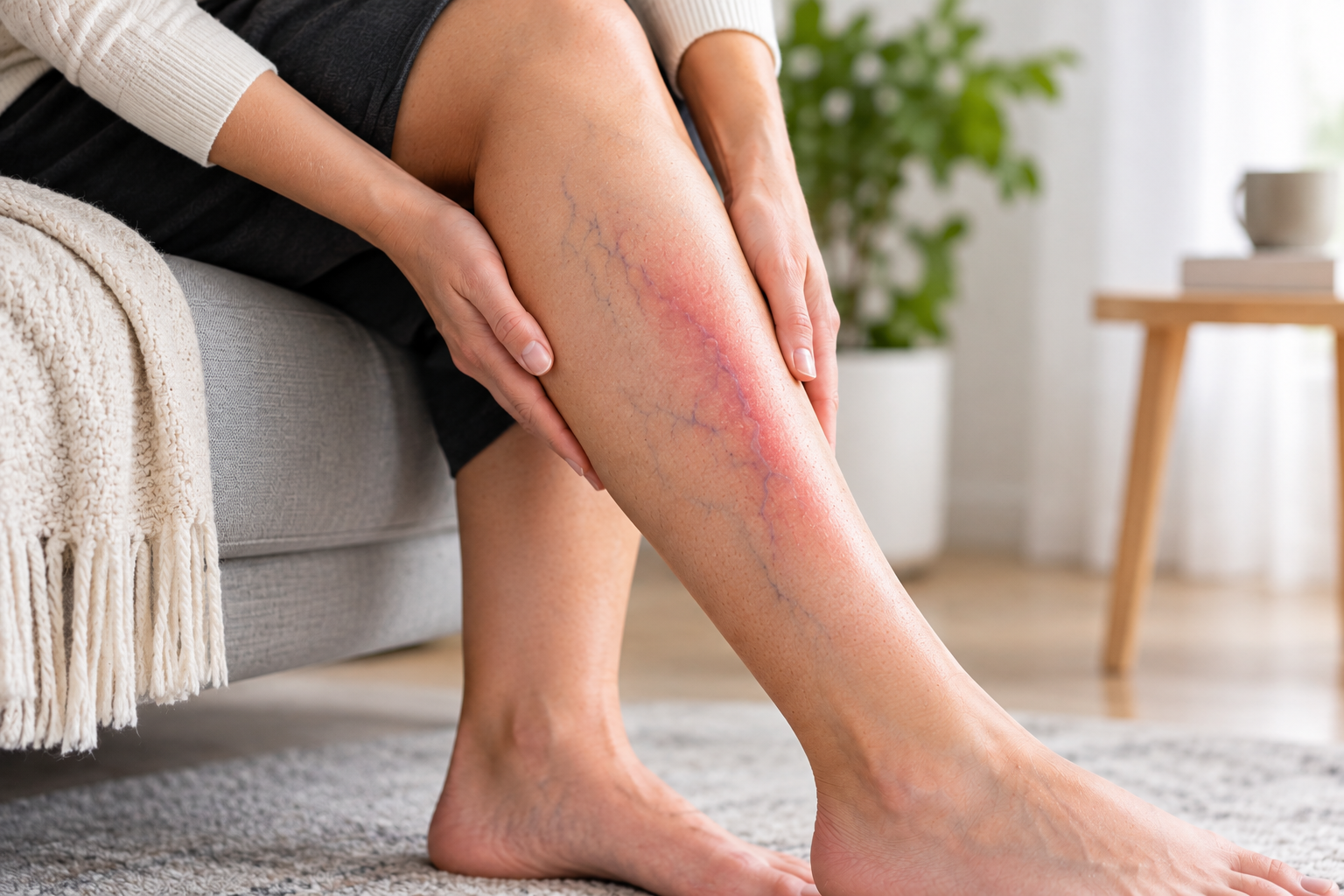
Phlebitis is inflammation of a vein that can cause pain, tenderness, redness, warmth, and swelling around the affected area. It most commonly affects the legs, although it can also develop in the arms or other parts of the body. In some cases, phlebitis occurs after an intravenous (IV) line or injection irritates a vein. In others, it is associated with varicose veins or a blood clot. One of the most common questions people have is whether phlebitis will resolve on its own or require medical treatment. The answer depends on the type of inflammation, its underlying cause, the severity of the symptoms, and whether a blood clot is present. Mild superficial phlebitis often improves within one to two weeks, although tenderness, hardened veins, or small lumps may remain for several weeks. However, clot-related inflammation can require treatment, as deep vein clots may cause serious complications.
Understanding how phlebitis develops, how long recovery usually takes, and which symptoms require medical attention can help you make informed decisions about your care. This guide covers the essentials of this common condition, explains when to seek professional help, and provides guidance on managing symptoms at home.
What Is Phlebitis?
Phlebitis is inflammation of a vein. It occurs when the vein wall becomes irritated, swollen, or inflamed. The condition can develop in veins near the skin surface (called superficial phlebitis) or in deeper veins (called deep vein thrombosis, or DVT). While the term “phlebitis” refers to inflammation, it doesn’t always mean a blood clot is present. However, inflammation and clotting can occur together. Phlebitis most commonly affects the legs, though it can occur in the arms or other areas.
Symptoms typically include pain, redness, warmth, and swelling along the affected vein. Severity ranges from mild discomfort that resolves in days to serious clotting that requires urgent medical treatment.
Common Causes
Phlebitis develops when a vein becomes irritated or damaged. Understanding what triggers it can help you recognize risk factors and take preventive steps. Here are the most common causes:
- ●IV Catheters and Medical Lines: One of the most common causes is an intravenous line left in place for too long. The catheter can irritate the vein wall, introduce bacteria, or cause mechanical injury. Hospital-acquired phlebitis from IV lines is particularly common in patients with extended hospital stays or central lines.
- ●Varicose Veins: These enlarged, twisted veins develop from weakened vein walls and faulty valves. Varicose veins are already prone to blood flow problems and inflammation, making phlebitis more likely. If you have varicose veins, your risk increases significantly.
- ●Prolonged Immobility: When you stay still for extended periods-whether from bed rest after surgery, long airplane flights, or extended car rides-blood flow slows in your legs. Sluggish blood flow increases the risk of inflammation and clot formation. This is why healthcare providers recommend movement even during recovery.
- ●Recent Surgery or Trauma: Surgery damages blood vessels, even minimally invasive procedures. Similarly, trauma or a hard blow to an area can injure a vein and trigger inflammation. The risk is highest in the first few weeks after an injury or operation.
- ●Infection: Bacterial infection around a wound, IV site, or injection area can cause vein inflammation. If an infection spreads into or near a vein, phlebitis can develop quickly. Signs include fever, increasing redness, pus, or foul-smelling discharge.
- ●Pregnancy and the Postpartum Period: Pregnancy increases clotting tendency through hormonal changes and increased blood volume. The growing uterus can also compress veins. The postpartum period carries continued risk for several weeks. This is why pregnant women and new mothers are monitored carefully for clot formation.
- ●Clotting Disorders: Some people inherit conditions that make their blood clot more easily. Others develop clotting tendencies from cancer, autoimmune disease, or blood disorders. If you have a family history of blood clots or have been told you have a clotting disorder, let your healthcare provider know.
- ●Other Risk Factors: Cancer patients face higher phlebitis risk from both the disease and chemotherapy. Smoking damages blood vessel walls and increases clotting risk. Certain autoimmune conditions like lupus and inflammatory bowel disease also increase risk.
It’s important to note that some cases develop without an obvious trigger. If phlebitis occurs repeatedly or you have multiple risk factors, discussing prevention and monitoring strategies with your healthcare provider is essential. Knowing your personal risk helps you take steps to reduce your chances of developing this condition.
Recognizing the Symptoms
Symptoms of phlebitis typically appear suddenly and are usually localized to one area. You may notice:
- ●Localized pain, tenderness, or throbbing along the vein
- ●Redness or a visible red line along the affected vein
- ●Warmth or heat in the area
- ●Swelling in the affected limb
- ●A firm, cord-like vein that you can feel under the skin
- ●Skin discoloration, especially with more serious cases
Symptoms can vary depending on whether the inflammation involves superficial or deep veins. DVT may cause more pronounced swelling and pain deep in the limb.
How Phlebitis Is Treated?
Treatment depends on the type of phlebitis, the vein’s location, severity of inflammation, and whether a blood clot or infection is present. Your healthcare provider will determine the best approach for your specific situation.
| Treatment Option | What It Does |
|---|---|
| Warm compresses | Eases pain and discomfort in superficial phlebitis |
| Pain relief medication | Reduces discomfort and allows normal movement |
| NSAIDs (ibuprofen, naproxen) | Anti-inflammatory drugs reduce pain and swelling. Check with your provider first—not suitable for everyone. |
| Compression stockings | Reduces leg swelling when recommended and properly fitted |
| Anticoagulants (blood thinners) | Prevents clot growth; used for DVT and high-risk superficial clots |
| Antibiotics | Used only if bacterial infection is suspected |
| Ultrasound | Imaging to detect clots and determine treatment needs |
Important: Do not start any medication, especially NSAIDs or blood thinners, without consulting your healthcare provider. These medications can interact with other drugs and may not be safe for your specific situation.
Home Care Steps
When your healthcare provider determines that home care is appropriate, these steps can help ease symptoms:
- ●Keep the affected limb moving: Gentle walking and regular movement maintain circulation. Avoid staying in one position for extended periods, but don’t force movement through pain.
- ●Elevate the affected limb: Raise your leg or arm while resting to reduce swelling. Support it on pillows when sitting or lying down.
- ●Use warm compresses: Apply a warm (not hot) cloth for short periods (10-15 minutes). Avoid excessive heat on irritated skin.
- ●Follow medication instructions: Take prescribed medications exactly as directed. Don’t stop anticoagulants just because pain improves—continue as instructed.
- ●Monitor your symptoms: Watch for improvement or worsening. Note when symptoms started and whether they’re changing. Seek reassessment if symptoms spread, new swelling develops, or you don’t improve as expected.
- ●Address underlying risk factors: If you have varicose veins, a clotting history, or other risk factors, discuss prevention measures with your provider.
Expected Recovery Timeline
Recovery time varies depending on the type and severity of phlebitis:
- ●Mild superficial phlebitis: Often improves within 3-7 days; may resolve fully with minimal treatment
- ●Moderate superficial phlebitis: Main symptoms improve within 1-2 weeks, though a firm vein or skin discoloration may linger
- ●Post-IV phlebitis: Can take 3-4 weeks or longer; skin discoloration and small lumps may persist
- ●DVT (with treatment): Weeks to months; ongoing medication and monitoring are essential
Warning Signs: When to Seek Care
While mild phlebitis often improves, certain symptoms need prompt medical attention. Contact a healthcare provider urgently if you notice:
- ●New, unexplained, or increasing pain in a vein
- ●Sudden swelling in one leg or arm
- ●Redness, warmth, or discoloration spreading along the area
- ●A vein that becomes increasingly hard, swollen, or tender
- ●Pain or swelling not improving or returning after initial improvement
- ●Fever or chills alongside worsening symptoms
- ●Symptoms together with recent surgery, prolonged immobility, or a history of blood clots
Seek emergency care immediately if you experience sudden shortness of breath, chest pain, coughing up blood, fainting, or severe lightheadedness. These can indicate a blood clot has traveled to the lungs (pulmonary embolism), which is a medical emergency.
How It’s Diagnosed?
Your healthcare provider will start with a medical history and physical examination, asking about when symptoms began, recent surgeries or IV lines, travel, and any clotting history. During the exam, they’ll check for tenderness, warmth, swelling, and skin changes.
If deeper veins may be involved, your provider will likely order a duplex ultrasound—a non-invasive imaging test using sound waves to assess blood flow and detect clots. Blood tests like D-dimer may help assess clot likelihood, though they’re interpreted alongside other findings.
Prevention Tips
While not every case can be prevented, these steps reduce your risk:
- ●Move regularly—avoid prolonged immobility, especially on long flights or car rides
- ●Follow post-surgery instructions about movement and clot prevention
- ●Manage varicose veins with your healthcare provider
- ●Report IV site problems immediately (pain, redness, swelling, discharge)
- ●Take prescribed anticoagulants consistently and attend follow-up appointments
- ●Avoid smoking, which damages blood vessel walls and increases clotting risk
- ●Discuss prevention measures with your provider if you have a clotting history
The Bottom Line
Phlebitis ranges from mild inflammation that resolves on its own to serious conditions requiring urgent care. Many cases of mild superficial phlebitis improve within days to a couple of weeks with home care. However, never ignore worsening pain, spreading redness, new swelling, or symptoms that persist longer than expected. If you’re uncertain whether your symptoms warrant medical attention, it’s always better to get checked. Suspected deep vein thrombosis needs urgent evaluation, and signs of a pulmonary embolism demand emergency care. Understanding phlebitis and recognizing warning signs are the best ways to prevent complications and ensure a smooth recovery.
Get Care Without the ER Wait
At Prompt Urgent Care in San Antonio, we provide fast, professional evaluations and treatment when you need it most. Our experienced healthcare team can examine your symptoms, order diagnostic imaging on-site if needed, and begin treatment the same day—all without the emergency room wait.
What we offer: Same-day evaluations, on-site ultrasound imaging, experienced clinical team, walk-in appointments welcome, most insurance accepted, and affordable care.
Don’t wait. Visit Prompt Urgent Care today.
Prompt Urgent Care | 5893 Babcock Rd, Suite 103 | San Antonio, TX 78240
Call 210-585-2273 or walk in anytime
Mon-Fri: 8:30 AM-7:00 PM | Sat-Sun: 9:30 AM-5:30 PM
Frequently Asked Questions
Yes, mild superficial phlebitis often improves on its own within one to two weeks. However, some cases take longer, and treatment may be necessary if symptoms are severe, a blood clot is present, or the inflammation is not improving. Suspected deep vein thrombosis (DVT) requires urgent medical assessment.
Phlebitis often begins improving within a few days, with many mild cases settling within one to two weeks. When a superficial vein is affected by a clot, recovery may take three to four weeks or longer. A firm vein, small lump, or skin discoloration may remain after the pain and swelling have improved.
The first signs of phlebitis may include pain, tenderness, warmth, redness, and swelling around an affected vein. The vein may feel firm or cord-like beneath the skin. Symptoms can develop over several hours or a few days. New or unexplained symptoms should be assessed to determine whether a blood clot is present.
Phlebitis is inflammation of a vein and does not always involve a clot. However, superficial thrombophlebitis involves inflammation and clot formation, and the clot can sometimes extend into deeper veins. DVT may also occur alongside superficial vein thrombosis. Medical assessment is important to determine the extent of the problem and whether treatment is needed.
An affected superficial vein may remain firm, tender, or cord-like while the inflammation and any associated clot gradually resolve. A small lump can persist for several weeks or longer, even after the pain has decreased. If the area becomes increasingly painful, redness spreads, or new swelling develops, seek medical assessment.
No. Phlebitis is inflammation of a vein and does not automatically mean an infection is present. Antibiotics are generally reserved for cases in which a bacterial infection is suspected or confirmed. Increasing redness, worsening pain, fever, or chills should prompt medical evaluation.